The Story So Far
KILL TONYGolden Ticket Debut
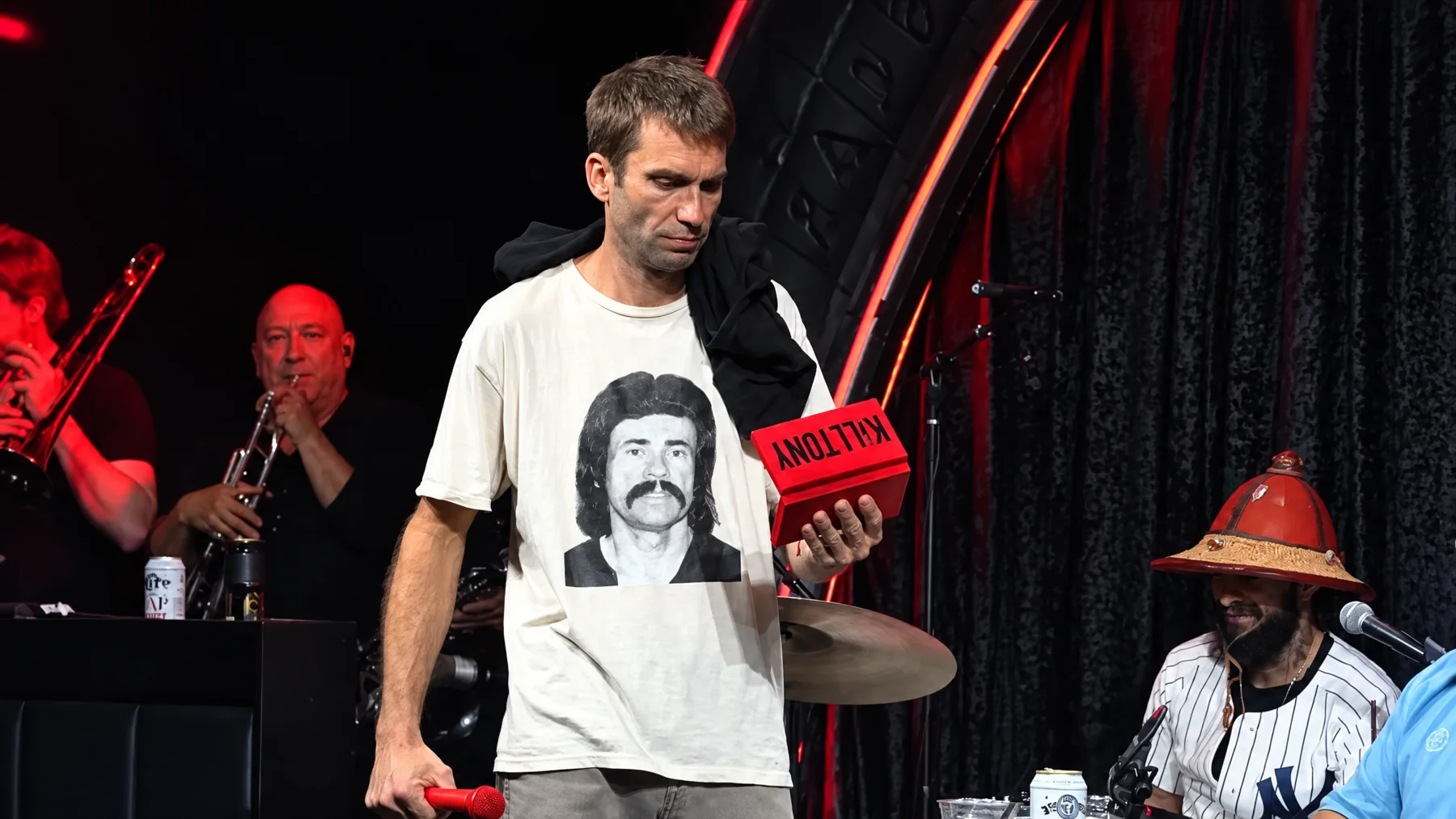
Shane Camp had just been handed a Golden Ticket on the Kill Tony stage, and for a few seconds, he could not make sense of what was happening.
The crowd was on its feet, and Tony Hinchcliffe had just given him one of the industry's most meaningful breaks. He had $100 left in his bank account, and Gary Owen had offered to cover his hotel room. He and his wife had traveled to Madison Square Garden to sign up for two shows, but his name was never drawn. His break finally came in Austin with the minute that changed everything.
It hit Shane all at once: the missed shots, the money, and the years of trying to get in the right room. He walked offstage in a blur.
“Man, I’m glad I followed my dreams.”

Outside, he tucked the red Golden Ticket case under his shirt so he would not attract attention, then went looking for his wife at Shakespeare’s Pub. He was supposed to be headed to the after-party, but all he wanted was to find her, get out of there, and have the moment with the person who had been there with him through it all.
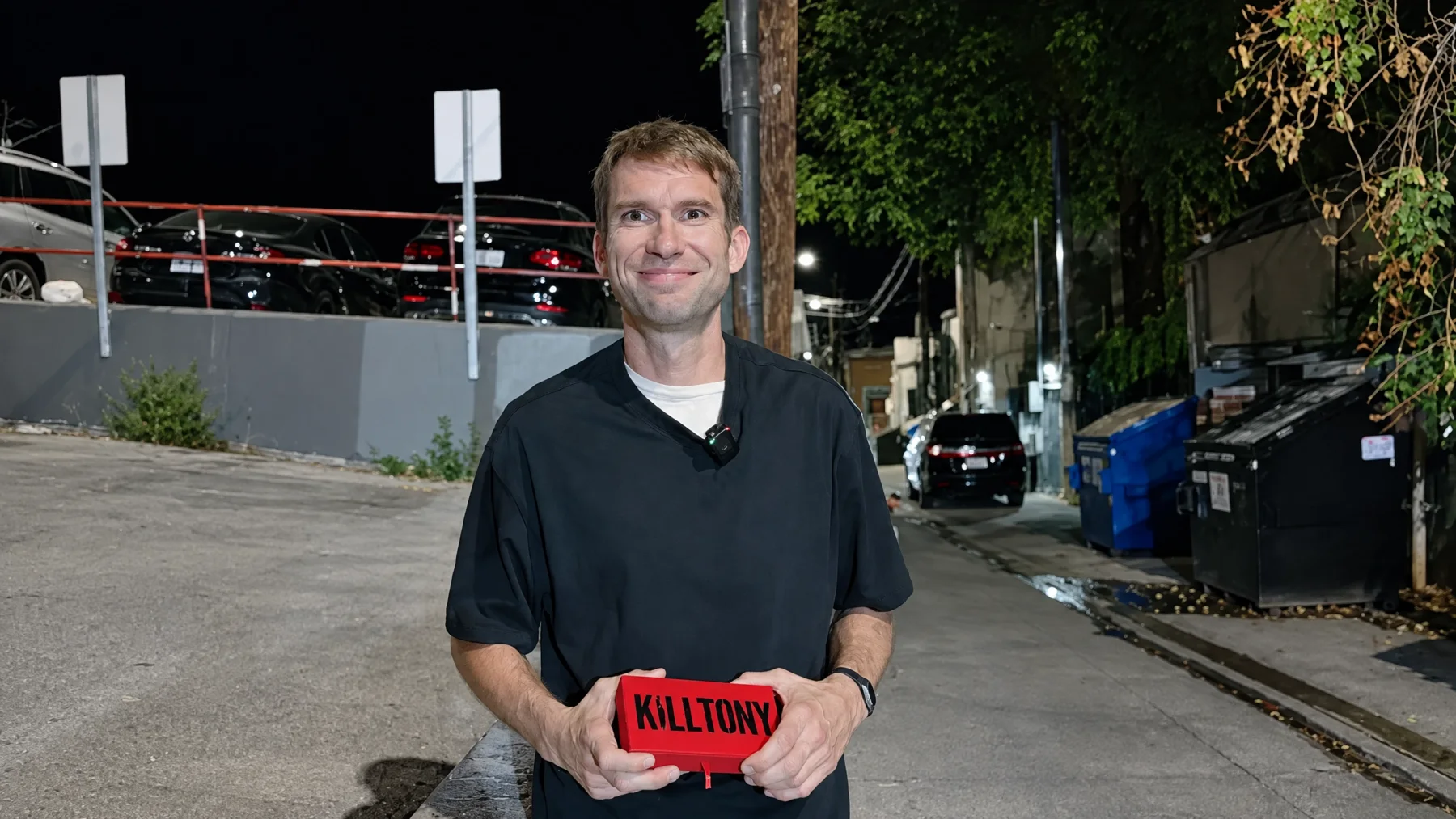
“I NEVER THOUGHT I’D ACTUALLY BE ON THAT SHOW. I JUST COULDN’T BELIEVE THE RECEPTION.”
The minute itself began with Shane asking the room if anyone knew Glen Wayne Albert. Glen is a real person who has been missing since 2009, and his case remains unsolved. His story became part of the set that introduced Shane to a much bigger audience, and it is one Shane speaks about with respect.
For Shane, the Golden Ticket was not an ending. It was a door opening. He lives in Austin now, a city he sees as the major leagues of comedy. He is putting himself in the middle of the scene and taking every opportunity he can to make a go of it. The moment changed everything, but he is still focused on the same thing: keep working, keep improving and see where the opportunity leads.
BEFORE AUSTINThe life behind the material

At 18, Shane left Pensacola for New York to pursue a career in movies and television. He lived there from 2003 to 2007, and while he was chasing those dreams, he drove a yellow cab. Unfortunately, the movies and television part did not work out.
After returning to Pensacola, Chicago came next. Then New Orleans. Then Pensacola again. There were jobs in between—more than 40, by Shane’s count. Kitchens. Cabinet shops. Whatever kept him moving. Pensacola was not just the place Shane started. It was the place he returned to after every city had run its course.
“WHEN I GO BROKE, I GO HOME.”
None of this was a character Shane created for Kill Tony. The cab, the cabinet work, the jobs, and the returns to Pensacola are all real. Shane’s life, circumstances, and stories provide the foundation for his comedy. He has years of personal history and unique situations to draw from, and he brings them to the stage exactly the way he lived them.
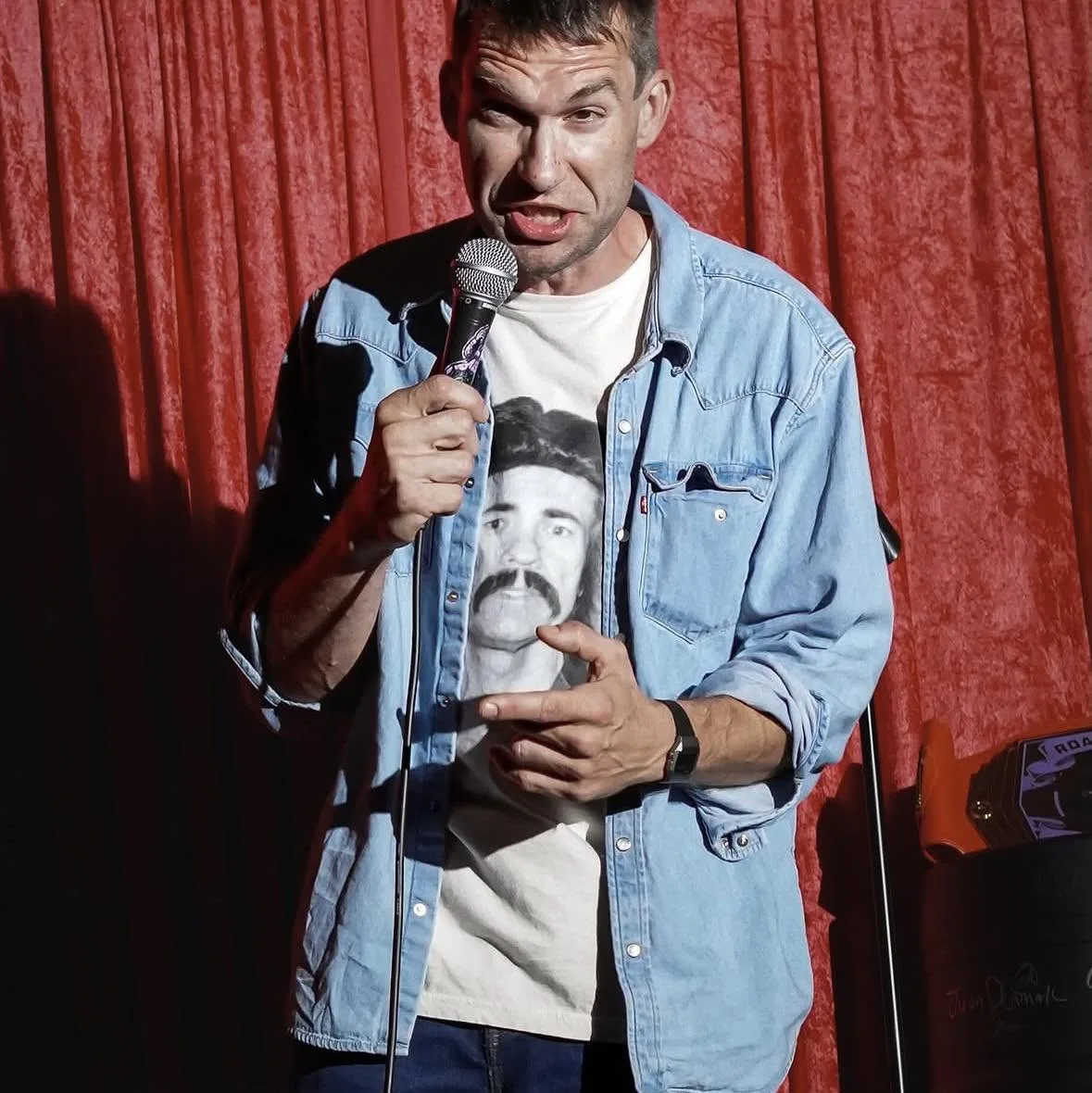
That is what makes Shane different. He is real. His stories are real. The guy onstage is the same guy who drove a cab through New York, worked job after job, and kept finding his way back to Pensacola when things did not work out somewhere else. There is no manufactured persona or invented backstory. He has lived an interesting life, he knows how to tell the stories that came from it, and people can feel the sincerity in him.
Long before Austin and the Golden Ticket, Shane already had a story worth hearing. The Golden Ticket simply gave more people the chance to hear it.